Posts

42CrMo4 | SCM440 | AISI 4140 Steel Bar

 AISI SAE 4140 alloy steel is a chromium molybdenum alloy steel specification widely used in general purpose high tensile steel for components, like axles, shafts, bolts, gears and hydraulic applications. Similar to alloy grade AISI 4130 chrome moly alloy steel but with a slightly higher carbon content. The higher carbon content of AISI 4140 steel gives greater strength and heat treatment capabilities in comparison to AISI / ASTM 4130 alloy steels, however it does have inferior weldability characteristics. Common 4140 Steel Specifications Country USA German British Japan China Australia Standard ASTM A29 DIN 17200 BS 970 JIS G4105 GB/T 3077 AS 1444 Grades 4140 1.7225/ 42crmo4 42CrMo4 SCM440 42CrMo 4140 4140 Steel Bar Chemical Composition Standard Grade C Mn P S Si Ni Cr Mo ASTM A29 4140 0.38-0.43 0.75-1.00 0.035 0.040 0.15-0.35 – 0.8-1.10 0.15-0.25 EN 10250 42CrMo4/ 1.7225 0.38-0.45 0.6-0.9 0.035 0.035 0.4 – 0.9-1...

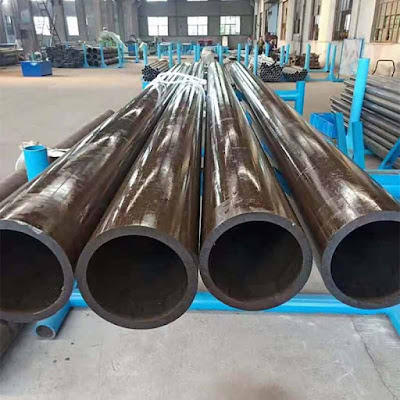
42CrMo , 4140, SCM440, 42CrMo4 High Tensile Steel Bar

Image
  42CrMo is a Chinese standard chromium-molybdenum high strength steel with good hardenability and toughness. This steel usually adopts quenching after tempering as the heat treatment solution. After tempering, it has relatively high fatigue and impact resistance and no obvious temper brittleness. 42CrMo/4140  has good mechanical properties and machinability, mainly in the form of plate and round rod. In the processing industry, the 42CrMo plate for the mold processing production, the 42CrMo round rod for mechanical direct processing parts. 42CrMo bar and plate is mainly used for manufacturing important structural parts working under high load such as hydraulic shafts, transmission gear, supercharger gear, engine cylinder; Spring clip, oil drill pipe clamp first class parts. In the mold manufacturing industry, 42CrMo is also suitable for large and medium-sized plastic molds with certain strength and toughness. The corresponding material of 42CrMo steel as per the European Unio...

Common Problems Of Hard Chrome Plating During Hydraulic Cylinder Rod Repair

 Hard chrome plating is a critical part of hydraulic cylinder repair. Cylinder rods that have been in use for a substantial length of time will invariably exhibit some degree of wear on the hard chrome surface, which means replating the chrome is best practice when it comes to returning your cylinders to peak operating effectiveness. However, hard chrome plating is a highly specialised process involving chemistry, metallurgy, mechanical skill, deep knowledge and extensive experience. There are many things that can go wrong - from bad electrical connections to poor bath chemistry, improper pre-plate grinding or improper racking & jigging. here are the 8 common hard chrome plating problems you should avoid when repairing your hydraulic cylinder rod; Dull / milky deposits: There are a number of potential causes for poor chrome appearance, but it is most commonly caused by a mismatch in current density and bath temperature. This condition could also signify the...

Process of high precision cold drawn tube

Image
  High precision cold drawn tube is a new high-tech energy-saving product. In recent years, using this technology to produce precision steel tube has been widely used in domestic hydraulic, pneumatic cylinder, coal mine support (prop), oil pump pipe, Jack and other manufacturing fields. Precision cold-drawn steel pipes with high precision promote the use of steel, improve processing efficiency, save energy, reduce investment in hydraulic cylinders and cylinder processing equipment is important. Cold drawing method: Comparing with the traditional cutting technology, the production of high precision cold drawing pipe-hydraulic cylinder has the following characteristics: (1) High production efficiency: The traditional method of producing cylinders with diameter of 420 mm and length of 12 meters is 154 hours, and the cold drawing method only takes 4 minutes to produce. (2) Real high speed: Boring of the boring head and play a guiding role in the cutting process, billet tube due to se...

The step by step of hard chrome plating process

Image
  Step 1: Inspection In the initial inspection, the rod is assessed to evaluate its condition ahead of the chroming process. Here the inspector will note any evidence of corrosion, pitting, marring, damage, cracking or flaking of the material. Presence of these phenomena will be taken into account and may influence the decisions taken at various steps along the re-chroming process. Step 2: Grinding & Stripping Before new chrome can be applied, the old material must be removed. However, this must be done in such a way to preserve the steel underneath and without reducing the diameter of the rod itself. Doing so would result in a rod that exceeds cylinder tolerances. There are two methods for removing this material. These are: grinding and stripping. Electrolytic Stripping: During stripping, the rod is placed in a reverse-electrolysis tank. This process is essentially the opposite of electrolytic plating. Whereas chrome plating applies a positive current to a chrome sol...

hydraulic cylinder OEM Accepted

Image

How to prevent the corrosion of chrome plated bar?

  How to prevent the corrosion of chrome plated bar? Prevention of corrosion extends beyond just the manufacture of the chrome plated bar. Handling and storage of the chrome bar can dramatically affect corrosion resistance. Ensure the protective fiber tubing does not get moist or wet with water or other contaminants. Remove any wet fiber tubes from rods or tubes and dry the rods or tubes immediately. When transporting chrome plated rods or tubes between operations, do not leave them in contact with surfaces that may contain coolants, lubricants, cleaning agents, or other sulfur or chlorine containing surfaces. Do not transport in loose quantities that can contact one another. Point impacts can damage the integrity of the chrome plate and eliminate corrosion resistance. Do not leave rods or tubes unprotected between operations or during transfer between buildings, if the transfer is over an extended period of time. A light oil film should be applied. Do not place unprotected ...